
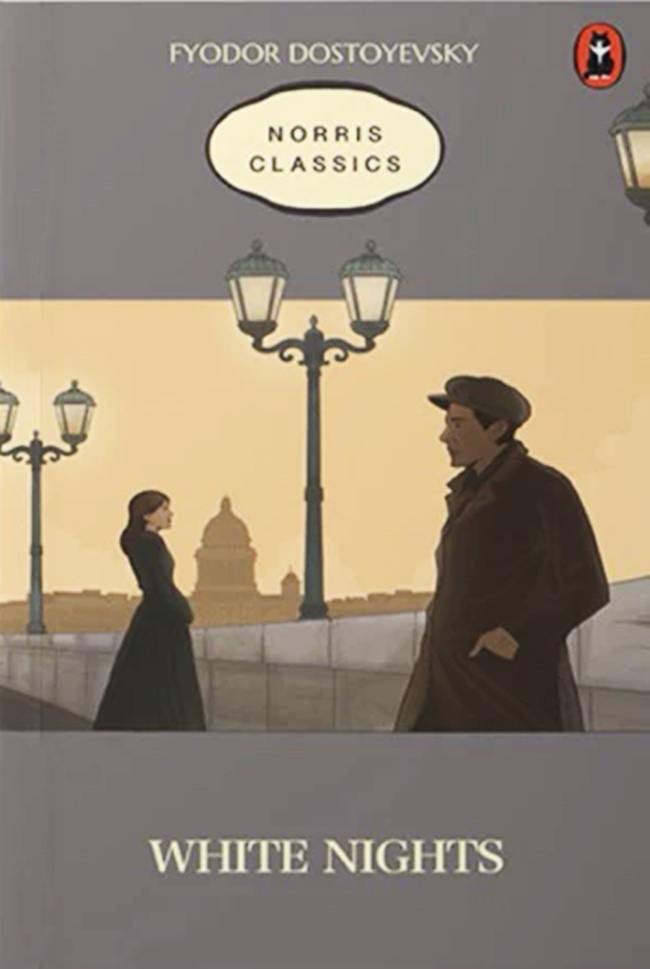
White Nights by Fyodor Dostoevsky
Russian literature is not for the faint of heart, yet this novel by the most famous of Russian writers, Fydodor Dostoevsky, was incredibly captivating. If you are looking for a way to dip your toes in Dostoevsky, don’t pass this book by. It’s a love story of sorts between the daughter of a landlord and a tenant whose travels take him far away with great anticipation of his possible return.
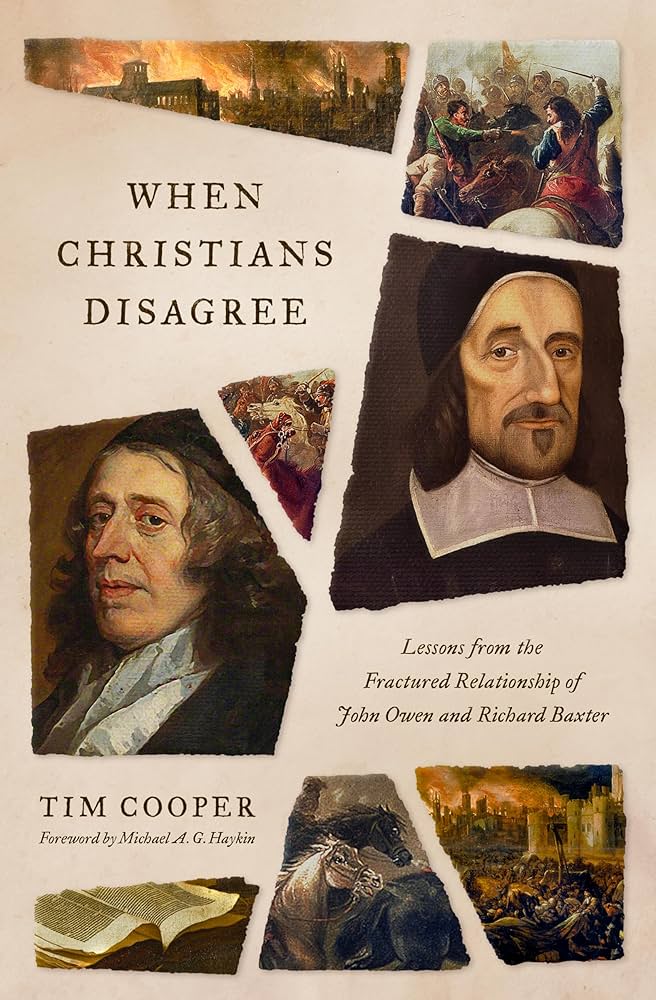
When Christians Disagree by Tim Cooper
Notice the title: “When…” not if. We know Christians disagree. In fact, if Christians didn’t disagree on certain doctrines, then Christianity would most certainly become a relativistic belief system where “anything goes.” Tim Cooper’s When Christians Disagree argues that faithful believers can hold differing convictions while still maintaining unity, charity, and a shared commitment to Christ. The heart of the book is learning to disagree in a way that strengthens—not fractures—the body of Christ. He distinguishes between core doctrines (where unity is essential) and secondary matters (where charity and freedom of conscience should prevail).
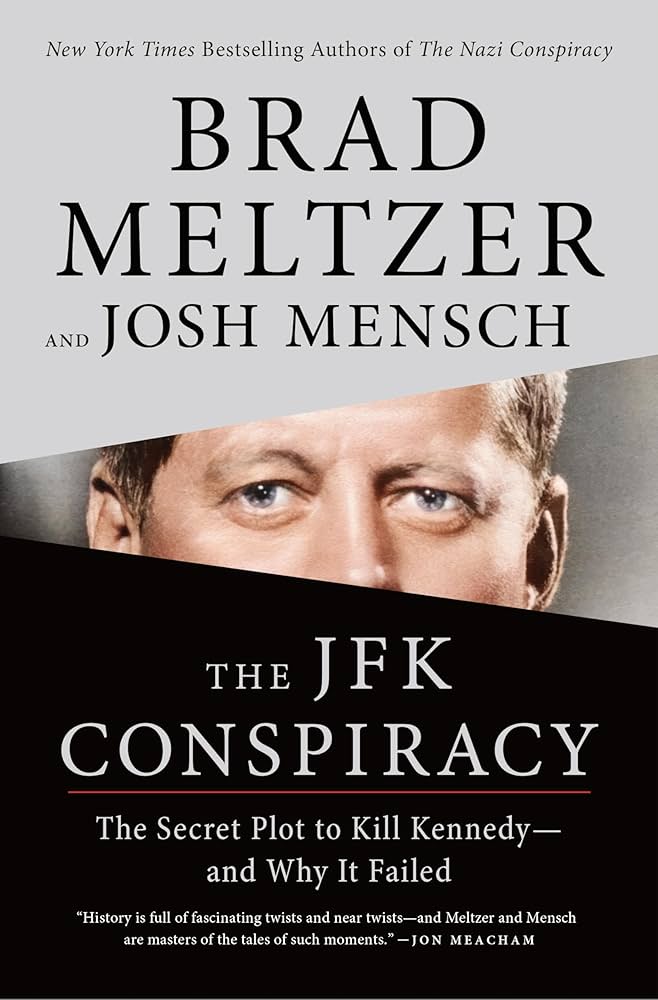
The JFK Conspiracy by Brad Meltzer
A staggering amount of ink has been spilled on JFK—his presidency, his legacy, and the tragedy that cut his life short. Even so, I found this book almost impossible to put down. I’ve seen the History Channel specials and wandered through the deep‑web YouTube rabbit holes that pick apart the inconsistencies surrounding his assassination, but this book operates on an entirely different level. The depth, detail, and discipline of its research made everything I thought I knew feel surface‑level by comparison.
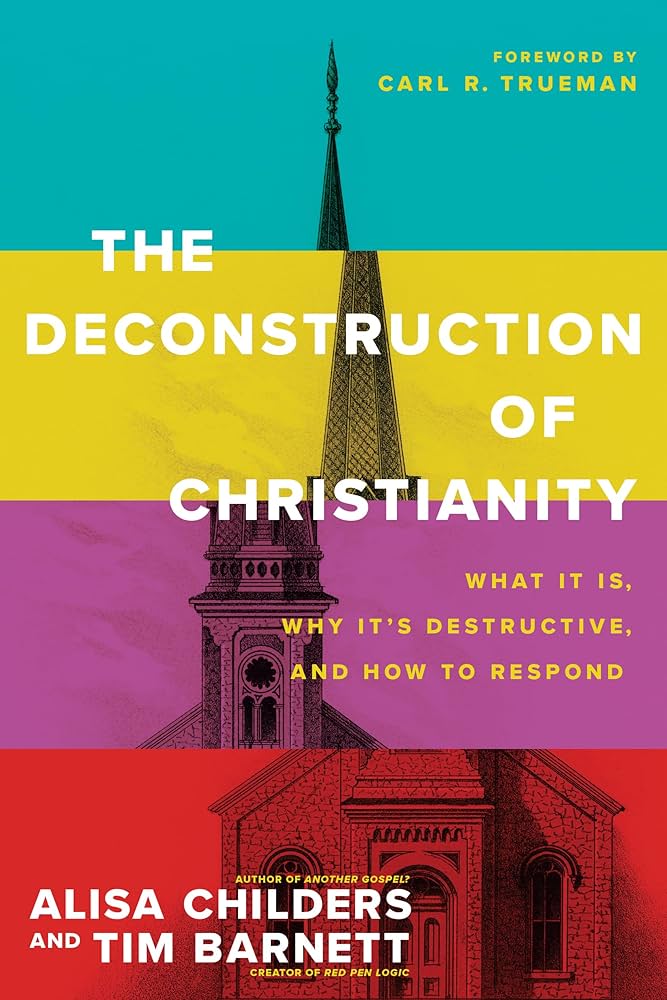
The Deconstruction of Christianity by Alisa Childers
If the author’s name sounds familiar, it’s because Alisa Childers isn’t new to the Christian landscape. Those who grew up in the early 2000s with even a passing awareness of Contemporary Christian Music may remember her as a member of the band BarlowGirl. Her journey since then gives her a unique credibility on the topic of Christian deconstruction. Having personally walked through the process herself, she writes not as a distant critic but as someone who has lived it from the inside. She warns about the dangers embedded in the current wave of deconstruction, especially among young evangelicals.
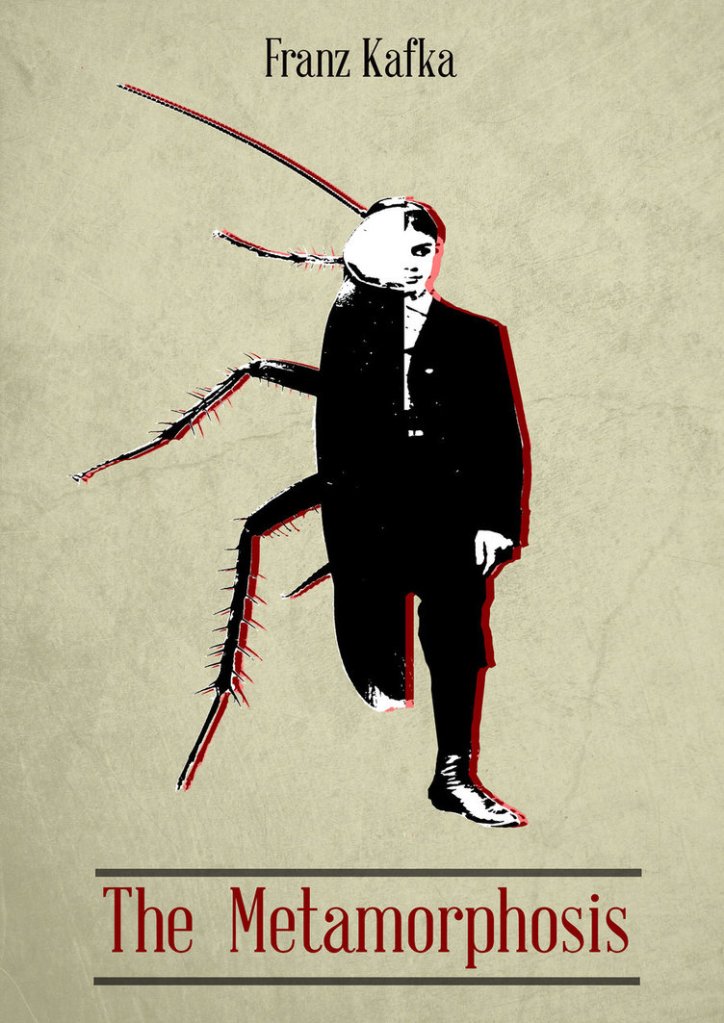
The Metamorphosis by Franz Kafka
Franz Kafka was, by all accounts, an unusual and introspective man. His writing reflects this. The Metamorphosis is layered (and I mean layered), but at its most accessible level it tells the story of Gregor Samsa, a traveling salesman who wakes one morning to find himself transformed into a giant insect. As Gregor slowly loses his ability to work, communicate, and participate in family life, the people who once depended on him shift from concern to embarrassment, and eventually to resentment. It’s a dark, unsettling story that explores themes of alienation and identity, what it means to be human and to belong. If you’re trying to round out your reading with a broader range of literature, including German works, this is absolutely one to pick up.



Leave a Reply